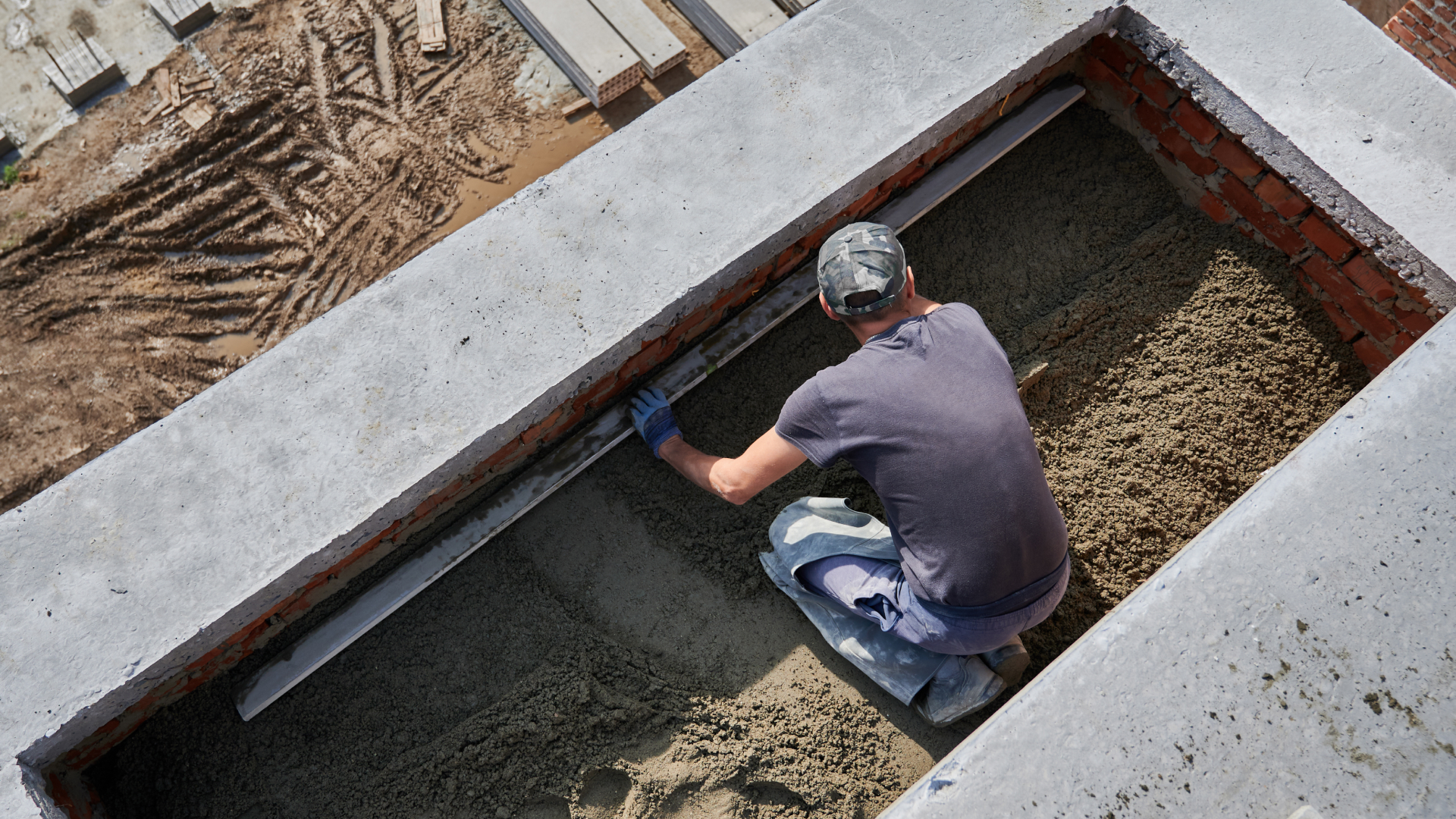
The thermal storage capacity of building materials This refers to a material’s ability to store and gradually release heat. This property influences the stability of the temperature inside a building and the comfort of the rooms. Materials with high thermal mass heat up more slowly but retain the stored heat for longer. As a result, interiors cool down more slowly in winter and heat up less in summer. Materials such as concrete, brick and stone are characterised by high thermal mass. Lighter materials react more quickly to temperature changes but store less thermal energy. Designers take thermal mass into account when selecting construction technologies and the method of heating a building. This parameter is of particular importance in energy-efficient and passive construction.
Carefully selected materials help to minimise temperature fluctuations and reduce energy consumption. In practice, the thermal mass of building materials affects not only running costs but also the day-to-day comfort of the occupants.