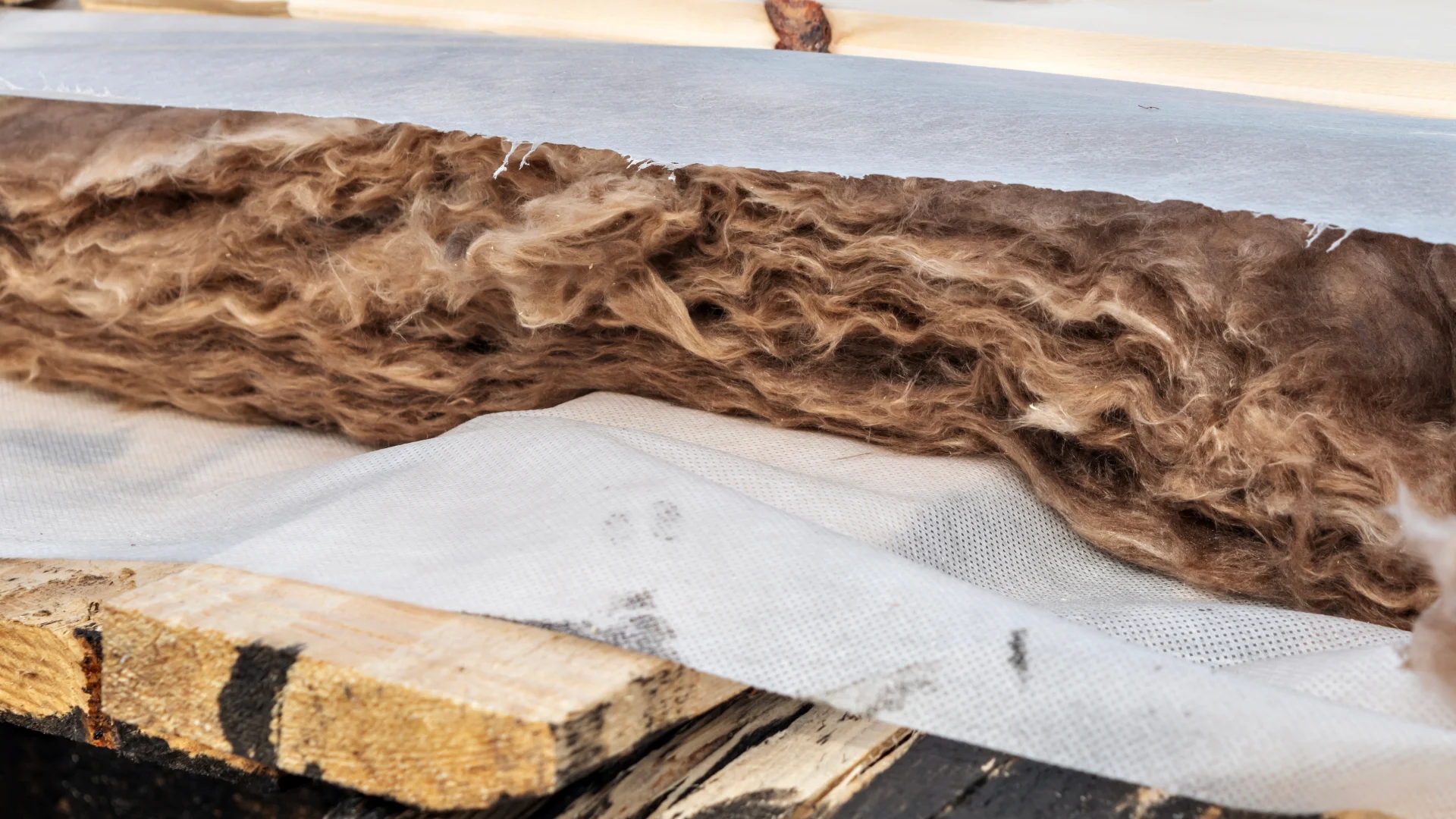
Thickness of the insulation layer is a parameter which determines the thickness of the insulation material used in a building envelope. It has a direct impact on the ability to reduce heat loss. The greater the thickness, the better the thermal insulation performance, while maintaining the material's properties. The choice of thickness depends on the type of partition, technical requirements and climate. Different values are used for walls, others for the roof or the floor on the ground. The design also takes into account the thermal conductivity coefficient of the material in question.
Polish regulations do not impose a specific thickness, but they do impose a required effect, i.e. a maximum heat transfer coefficient U separately for the walls, roof and floor. It is only from this requirement and the properties of the chosen material that the required insulation thickness is derived.”
Too thin a layer of insulation this means higher bills and the risk of condensation inside the envelope - moisture settles where the temperature falls below the dew point, damaging the structure over time. Too thick a layer with poor material does not give proportional benefits and only increases costs. Optimisation always goes hand in hand with the choice of material: a better insulating λ allows the same effect to be achieved with less thickness. In practice, this means more space in the wall or attic.
Thickness of the insulation layer also has an impact on protection against overheating in summer and condensation. Its proper selection improves the durability of the partition and the stability of the conditions inside the building.
The thickness also affects the behaviour of the building in summer. A solid layer of insulation slows down heat transfer in both directions and so reduces not only winter losses, but also the heating of the interior on hot days. In frame buildings, where the walls are inherently thinner than masonry, choosing the right thickness and type of insulation is particularly important. Wascovilla timber-frame houses are designed to achieve the parameters required by current energy standards in a compact construction.