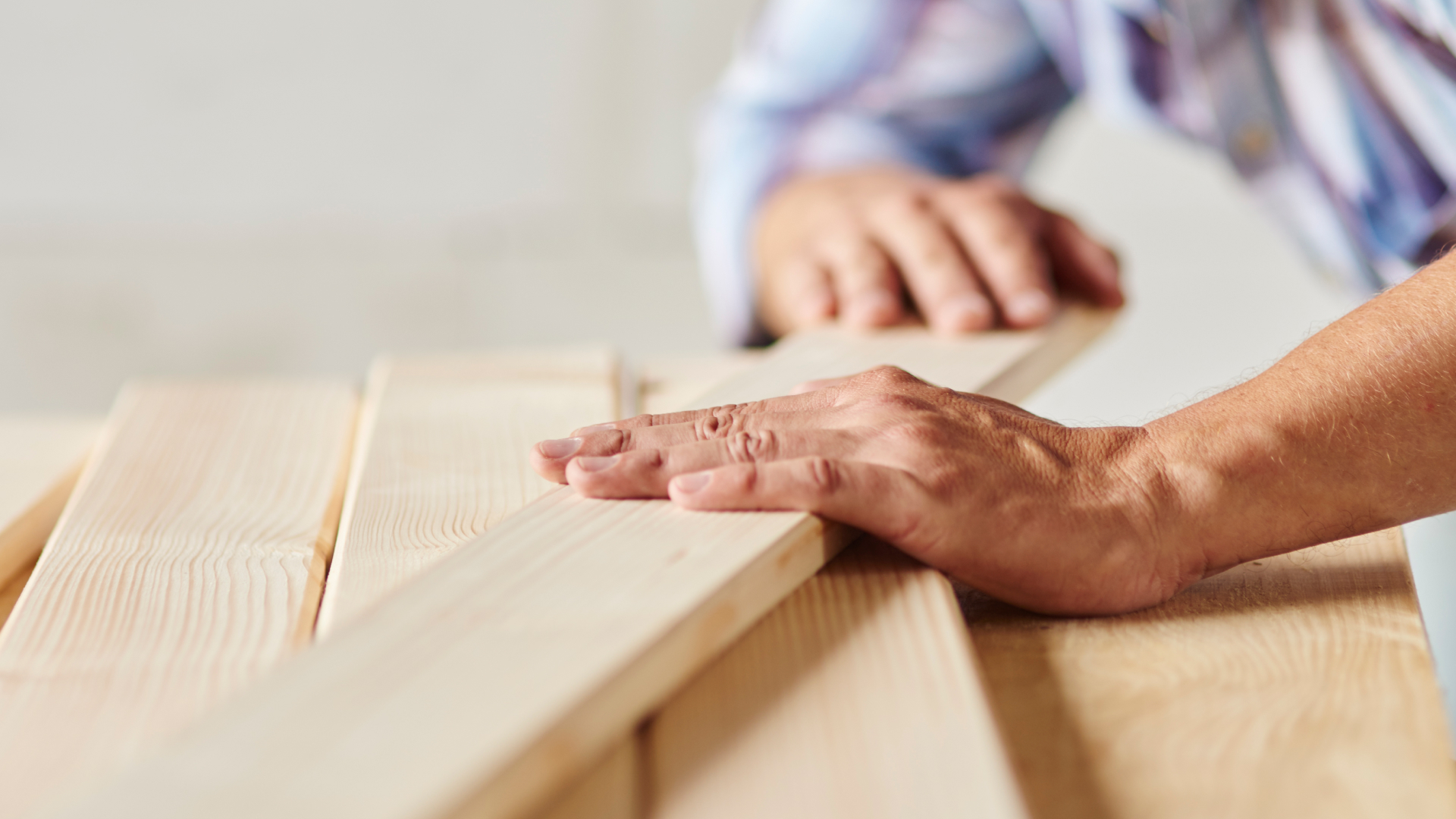
The anisotropy of wood is a property whereby wood exhibits different mechanical and physical properties depending on the direction of the forces or the flow of heat and moisture in relation to the grain.
Wood behaves differently along the grain than it does in the two transverse directions – radially and tangentially to the growth rings. For this reason, it is sometimes referred to as orthotropic material. In practice, this affects, amongst other things, the strength, stiffness, deformability, shrinkage and swelling of timber components.
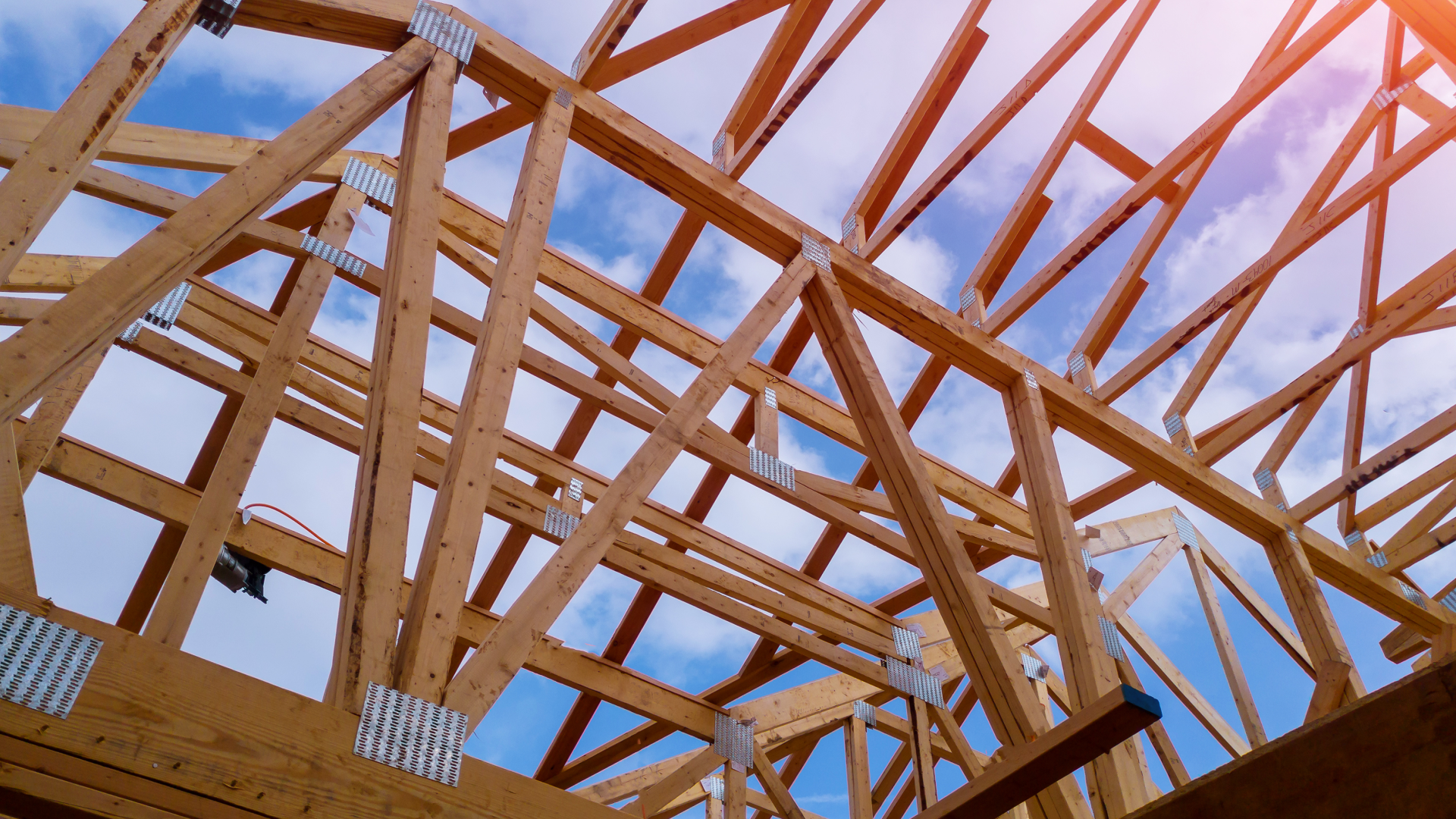
The anisotropy of wood is of significant importance when designing and constructing structures (e.g. roof trusses). The properties of the material along the grain are usually considerably better than in the transverse direction. For this reason, the way in which structural elements are arranged affects their load-bearing capacity and durability. Anisotropy is also taken into account during timber processing and the creation of joints. It is also considered when designing measures to prevent deformation resulting from changes in moisture content and service conditions.