A structural joint is the point at which structural elements are connected, through which the forces and loads acting on a building or other structure are transmitted. It is precisely at the joints that loads are transferred from one member to the next (from a beam to a column, from a column to a foundation, from a strut to a truss chord). Therefore, the stability of the entire structure is often determined not by the member itself, but by the way in which its connections have been designed.
It is not the material from which a node is made that determines its nature, but how it works. Articulated joint It transmits forces but allows the connected components to rotate relative to one another (it does not transmit bending moment). Rigid joint, also known as a restraint, prevents this rotation and also transmits torque, thereby enabling the components to work together. The distribution of forces within the structure depends on this distinction, and it is one of the fundamental assumptions made in a static diagram. The same system, comprising both hinged and rigid joints, behaves in a completely different manner.
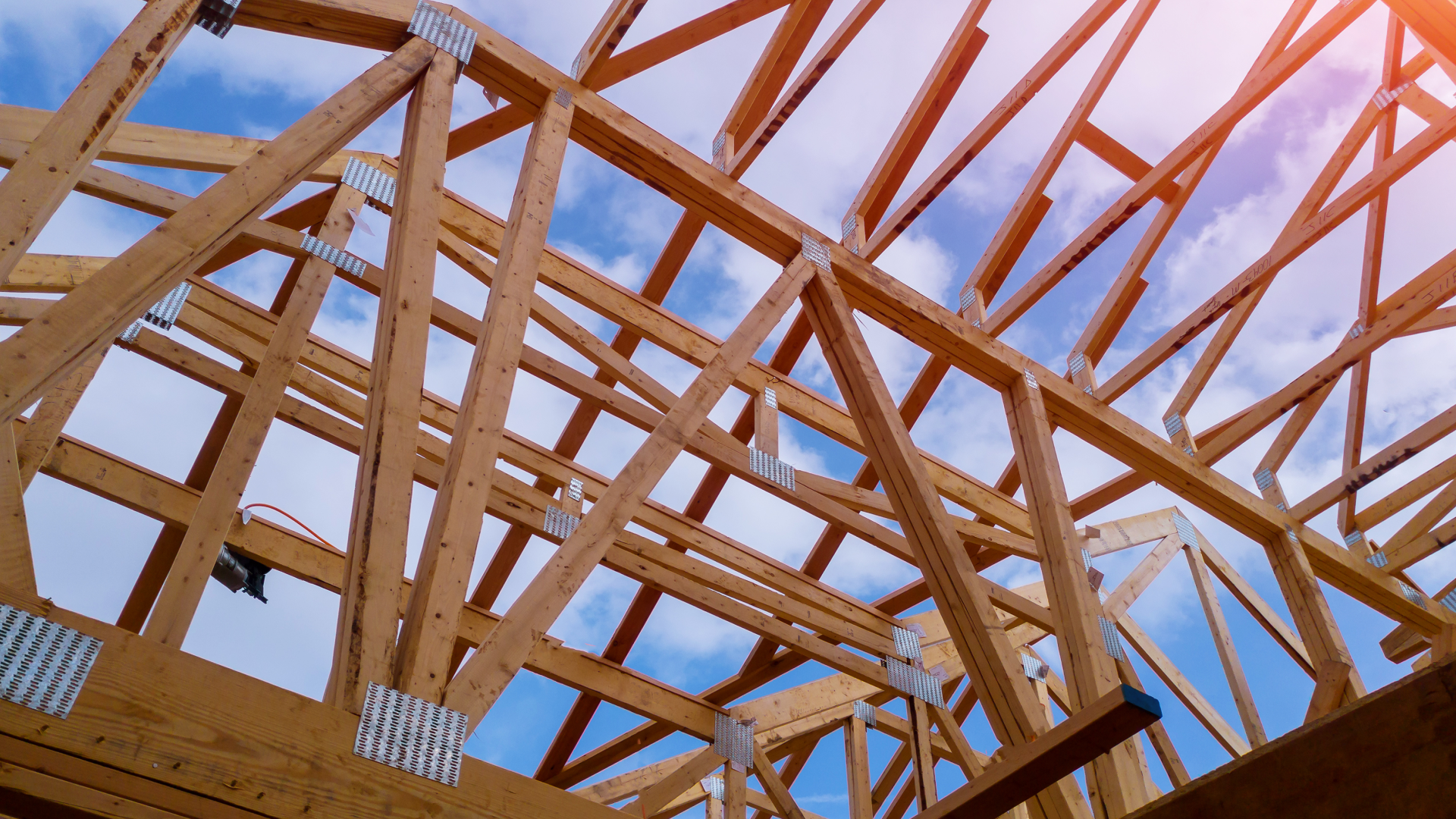
In the timber structures that we specialise in at Wascovilla, this is clearly illustrated by the example of roof trusses. The joints in a truss, where the chords and struts meet, primarily transmit axial forces, and are held together by a spiked plate pressed into the timber under pressure from a press. The repeatability and accuracy of these joints This has a direct impact on the load-bearing capacity and stability of the entire roof. A poorly tied knot has the opposite effect – it becomes a point of excessive deformation and the weakest part of the structure.
A structural joint that is incorrectly designed or constructed may lead to excessive deformation, damage to the connections, and a deterioration in the safety and durability of the entire structure.