Creep in structural materials is a phenomenon characterised by a slow, gradual increase in the material’s deformation under the influence of a long-term, almost constant load. These deformations increase over time, even though the stress levels remain unchanged and are lower than the material’s tensile strength.
This phenomenon occurs to varying degrees, for example, in concrete, wood, plastics and also in metals operating at elevated temperatures. Its The intensity depends on the type of material, the magnitude and duration of the load, and the ambient temperature and humidity. The longer the load is applied and the less stable the operating conditions are, the greater the final deformation.
In timber structures, creep is of particular importance. Timber creeps much more significantly than steel and is also sensitive to moisture. Therefore, in design in accordance with Eurocode 5 (PN-EN 1995-1-1), the instantaneous deflection alone is not taken into account; instead, the increase resulting from creep is added to it. This is achieved using the kdef factor, which is linked to the service class of the structure – that is, to the humidity of the environment in which the component operates. The final deflection is the sum of the immediate deflection and this long-term component. It is therefore this deflection, rather than the condition immediately after installation, that determines the assessment of the structure.
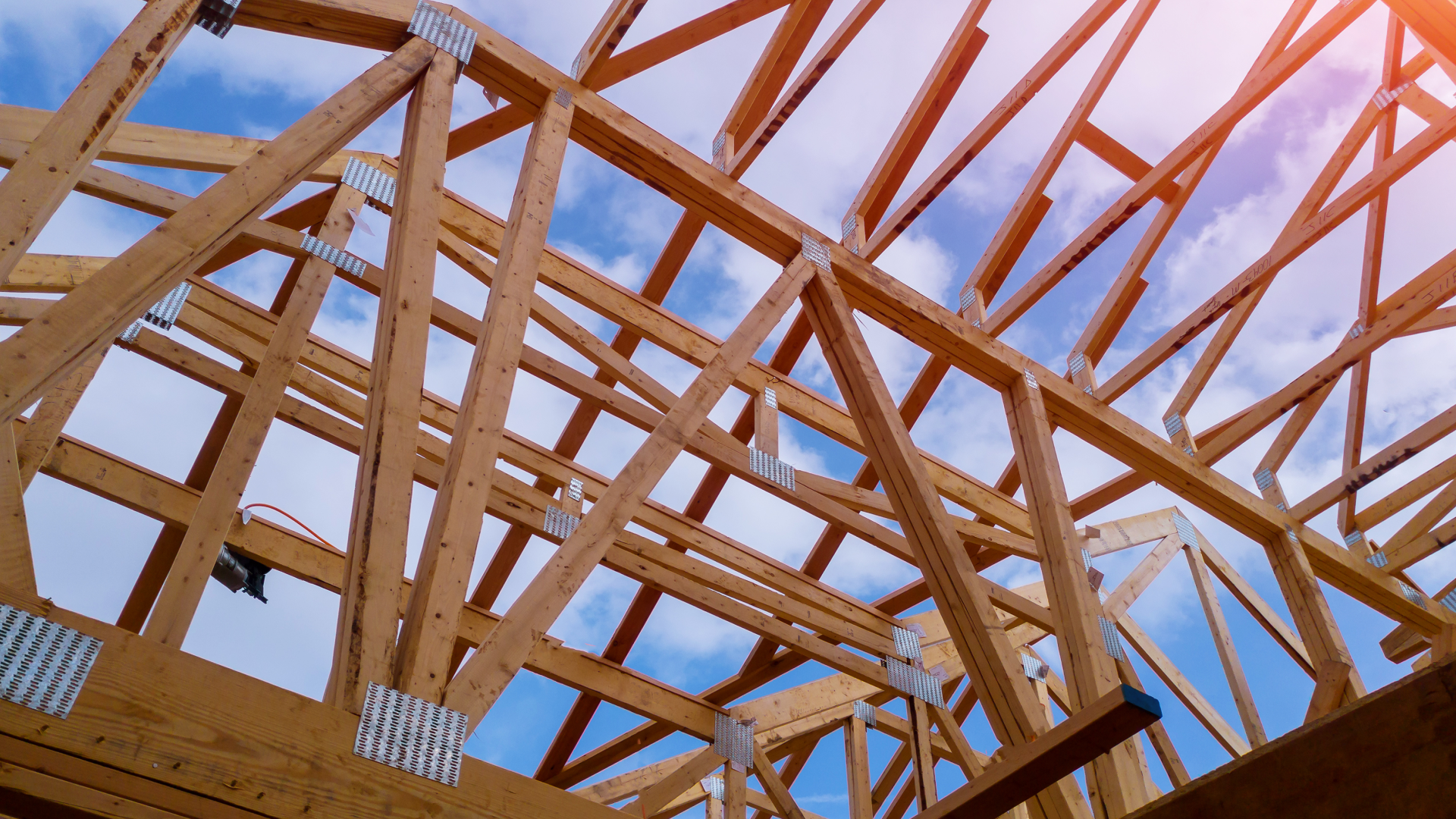
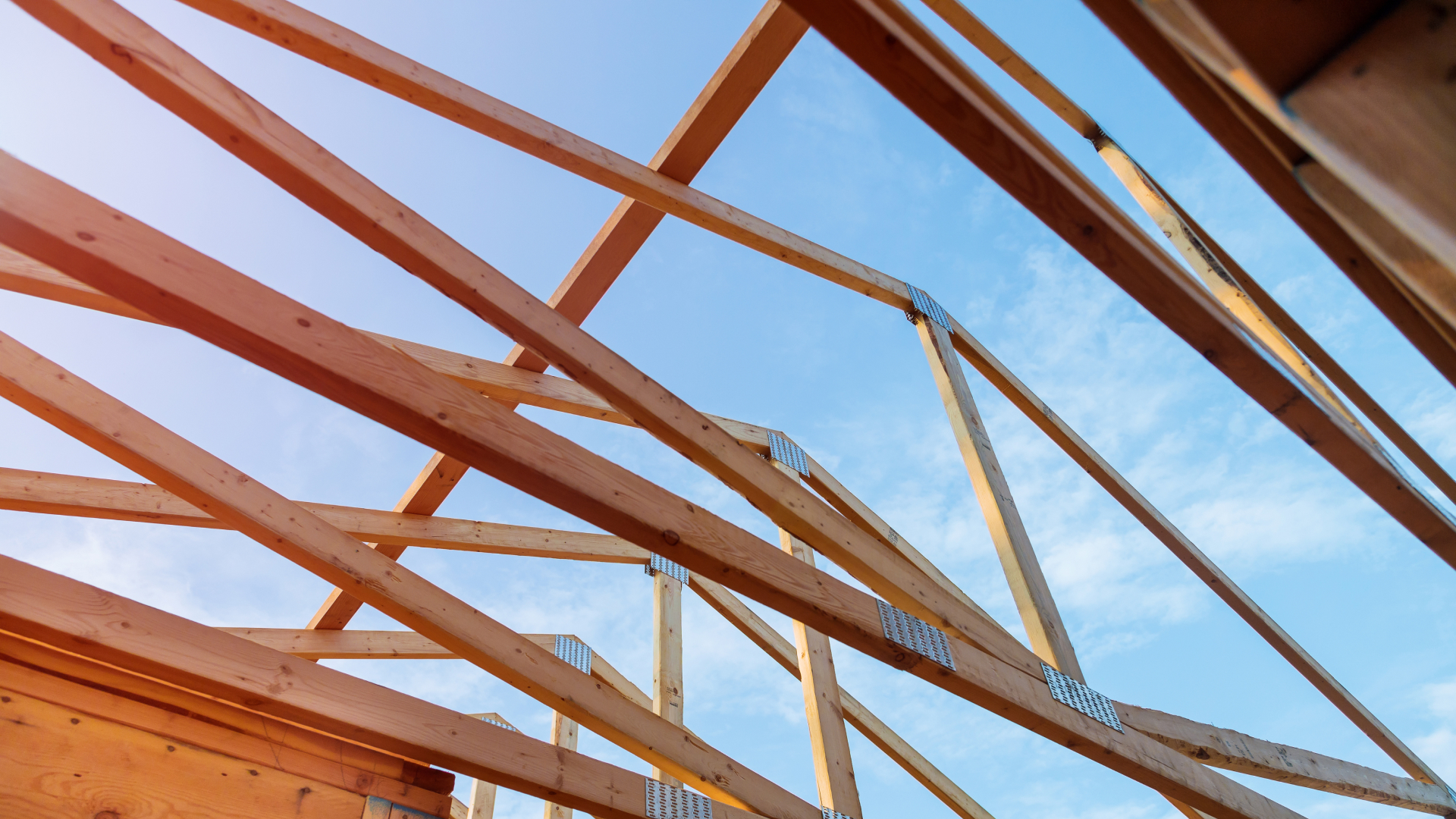
Creep in structural materials is most noticeable in components with large spans. These include, for example,. ceilings and roof trusses, which bear a constant load from their own weight and the roofing material throughout their service life. The designer limits these loads by specifying limit values for long-term deflections. For larger spans, the designer applies a reverse installation bend to the members so that, over the years, the structure settles into a position close to horizontal, rather than visibly sagging. Ignoring creep rarely poses a risk of collapse, but leads to permanent deflection, cracks in the finish and creaking floors (faults that only become apparent after several seasons of use).