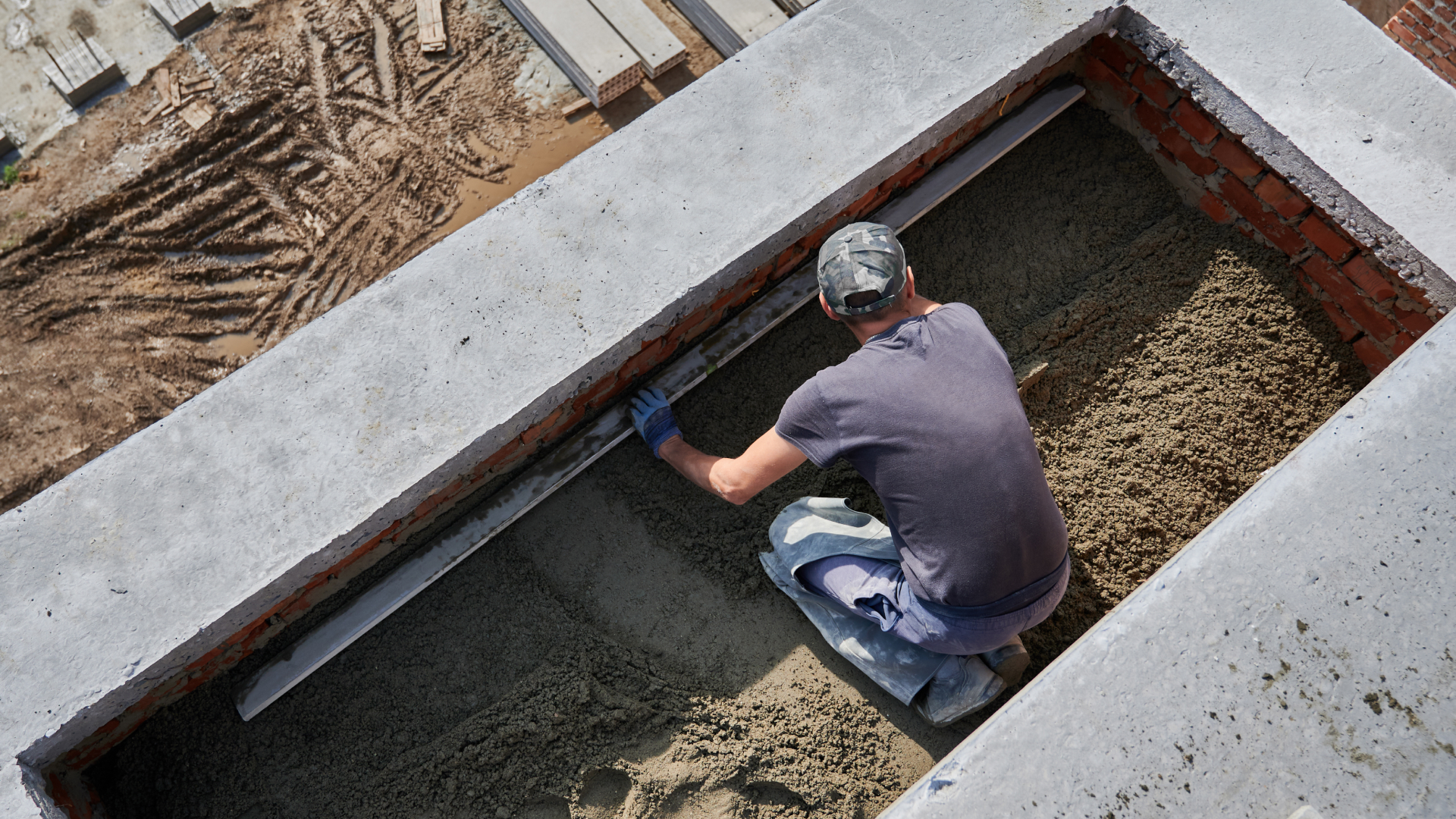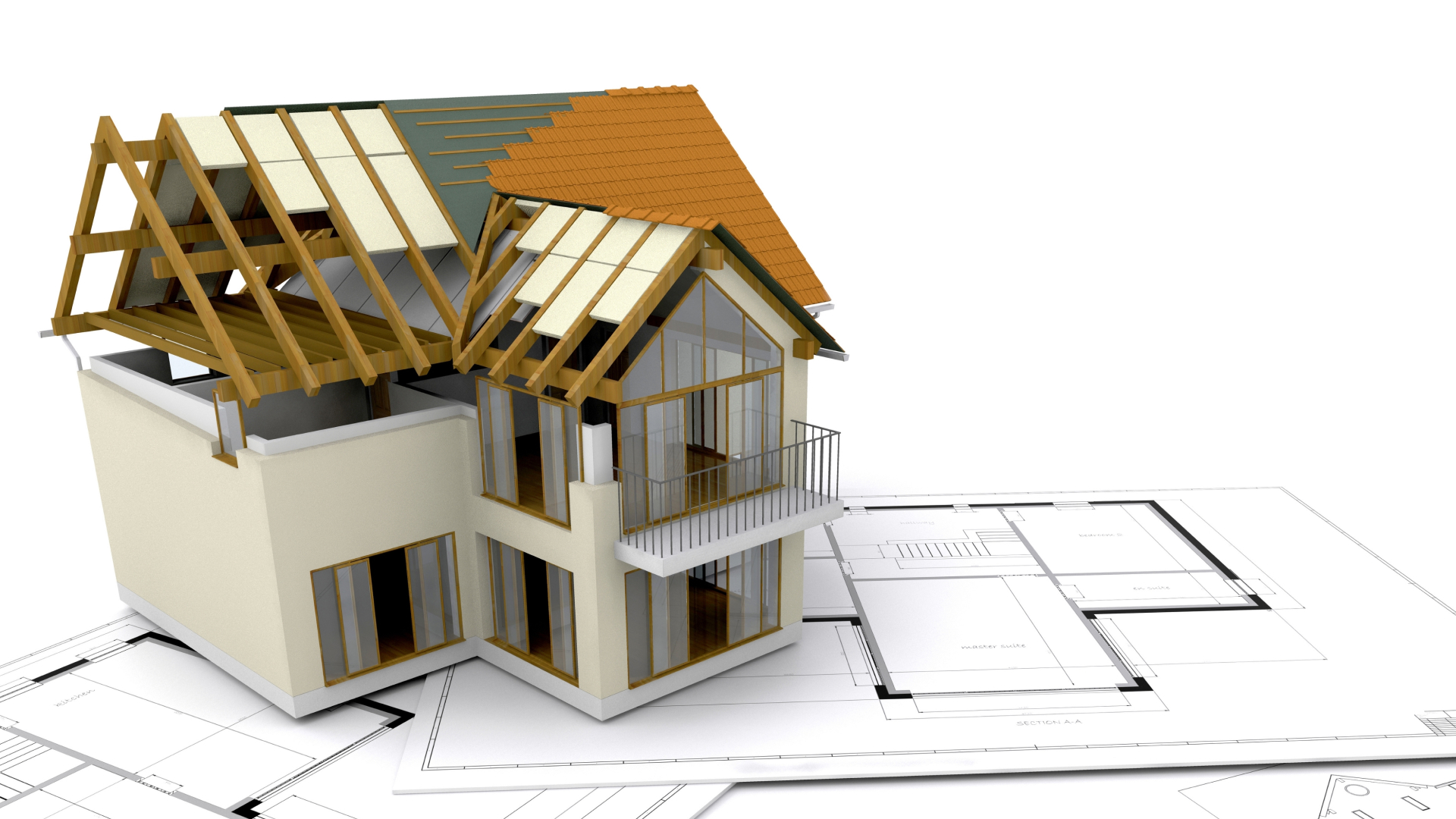
Structural stability of the building is the ability of a structure to maintain equilibrium and safely carry loads without loss of stability or excessive deformation. It means that the structural elements maintain their correct position and co-operation under the forces acting on the building. Structural stability is influenced by, among other things:
- layout of load-bearing elements,
- the rigidity of the load-bearing elements,
- the way in which structural elements are supported,
- quality of construction joints.
External loads such as wind, snow or seismic actions are also important - horizontal forces are particularly important and can cause the structure to tilt or shift.
Designers, in preparing house designs, provide stability through the proper arrangement of bearing walls, columns, bracing or structural frames. These elements prevent the structure from moving and the whole system from losing its balance. Stability of the building structure determines the safety of users and the durability of the facility. Its absence can lead to excessive deformation, structural damage and, in extreme cases, a building disaster.